Colored Pencils vs Markers vs Crayons vs Gel Pens: Which Is Best for Coloring Pages?
Walk into any craft store and you'll find rows of colored pencils, markers, crayons and gel pens, all promising the best coloring experience. The truth is that each tool is good at something different, and the right choice depends on who is coloring, how old they are, and what the page looks like.
This guide compares the four most popular tools on bold-outline coloring pages, the kind with thick lines and large, friendly shapes. By the end you'll know which tool to pick, which to avoid for certain jobs, and how to fix the common problems.
01The short answer
If you only want a quick recommendation, here it is:
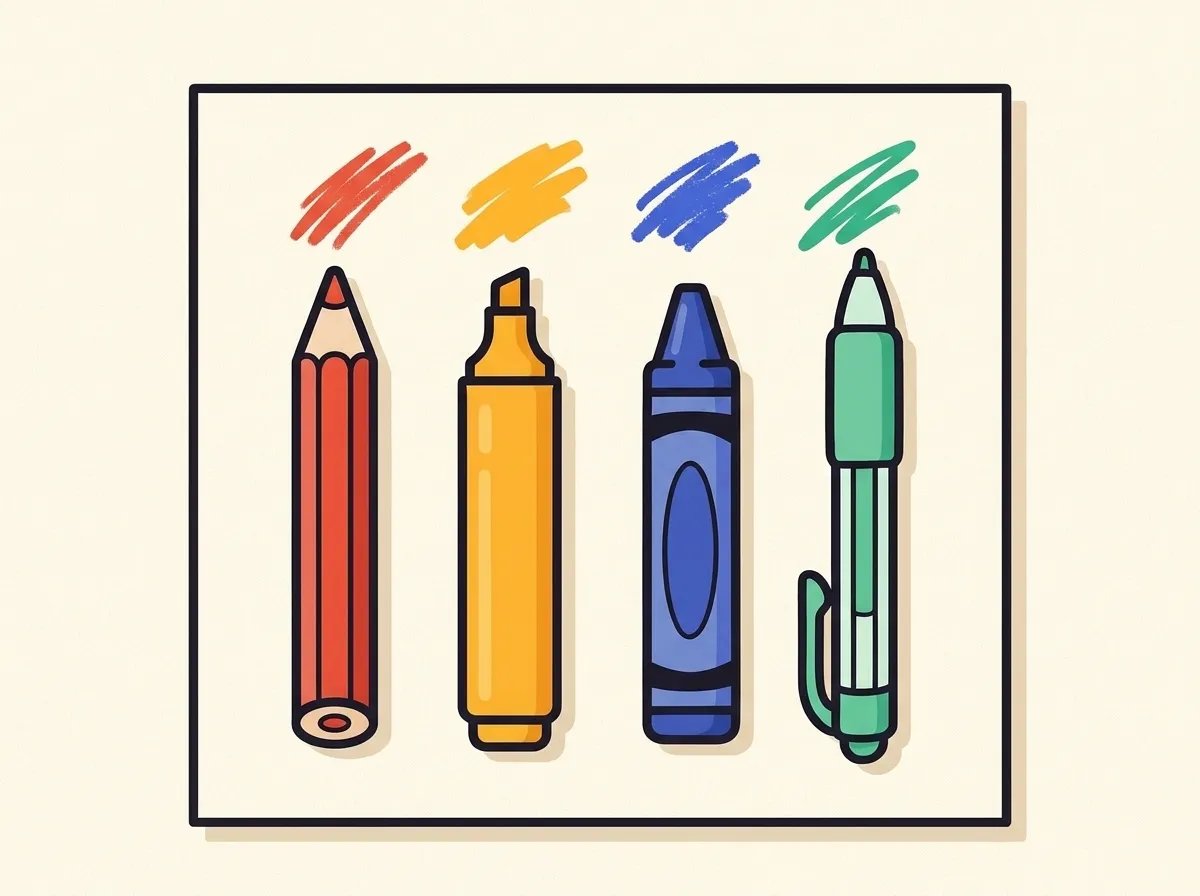
- Best all-rounder: colored pencils.
- Best for fast, vivid color on big shapes: markers.
- Best for toddlers and young children: chunky crayons.
- Best for finishing touches: gel pens.
Here's how they compare at a glance:
| Tool | Best for | Typical age | Bleed-through risk | Main drawback |
|---|---|---|---|---|
| Colored pencils | Detail, shading, control | 5+ and adults | Very low | Slow on large areas |
| Markers | Bold, fast color on big shapes | 6+ (washable for kids) | High on thin paper | Streaks, dry out if uncapped |
| Crayons | Small hands, large shapes | 2-6 | None | Less precise, waxy finish |
| Gel pens | Highlights, patterns, accents | 8+ | Low to medium | Smudges while wet, slow |
02Colored pencils: the all-rounder
Colored pencils give you the most control. You can press lightly for a pale tint, press harder for deep color, and layer one color over another to create new shades. Because the color goes on dry, there's almost no risk of bleed-through, and you can erase light marks.
Where they shine:
- Small details and tight corners
- Shading and gradients
- Any paper, including regular printer paper
- Quiet, low-mess coloring, which suits travel and classrooms
Where they struggle:
- Filling large areas takes time and can tire small hands
- Colors look softer than markers unless you layer them
- Cheap pencils can feel scratchy and leave pale color
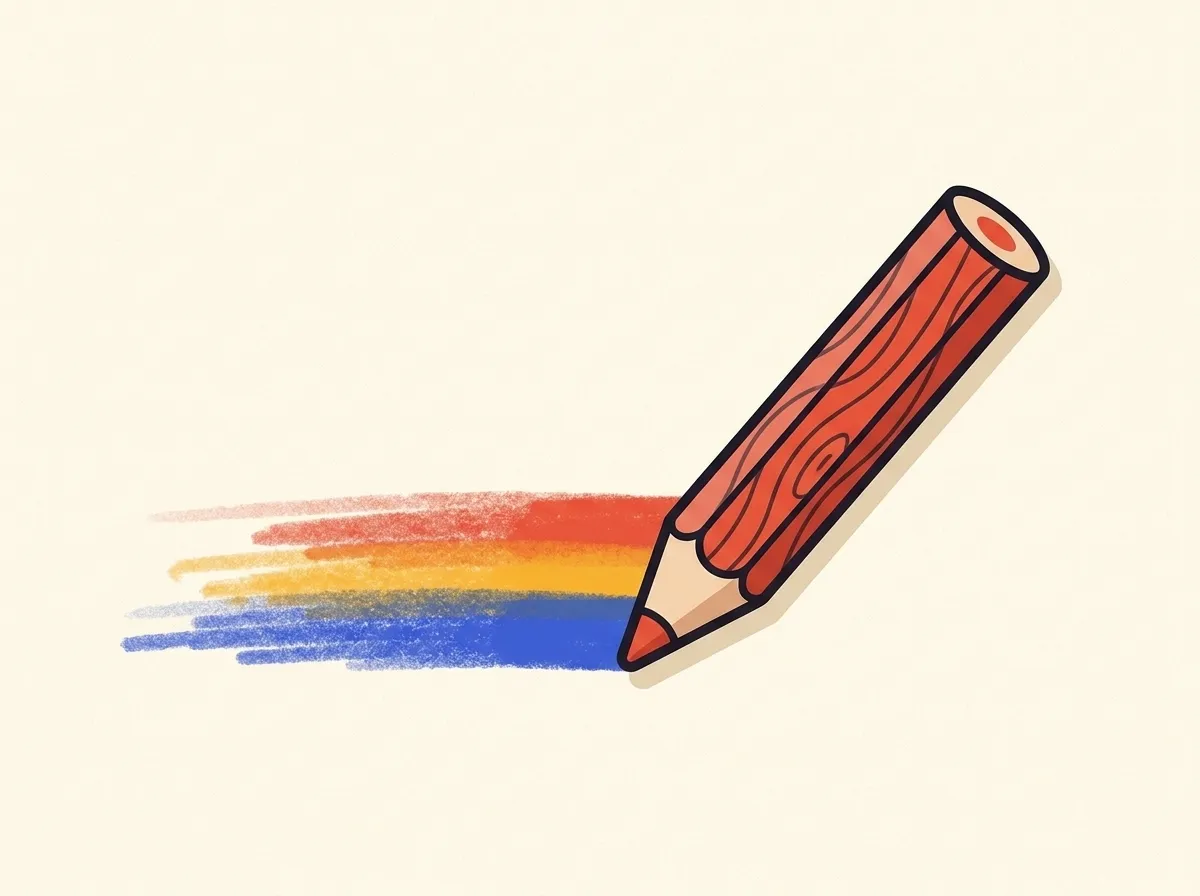
Tip: Color in small, overlapping circles or tight back-and-forth strokes instead of one hard press. You'll get a smoother, more even fill.
03Markers: fast and bold
Markers are the quickest way to fill a big shape with strong, bright color. They suit bold-outline pages well, because the thick lines give you plenty of room to stay inside.
There are two main types. Water-based markers are common, easy to find and often labeled washable, which makes them a good choice for children. Alcohol-based markers blend more smoothly and look richer, but they bleed heavily through thin paper and cost more.
Where they shine:
- Large areas and solid, vivid color
- Quick results, which keeps younger children engaged
- Eye-catching finished pages for display
Where they struggle:
- Bleed-through on thin paper, especially alcohol markers
- Streaks if you go back over a half-dry area
- Dried-out tips if the cap is left off
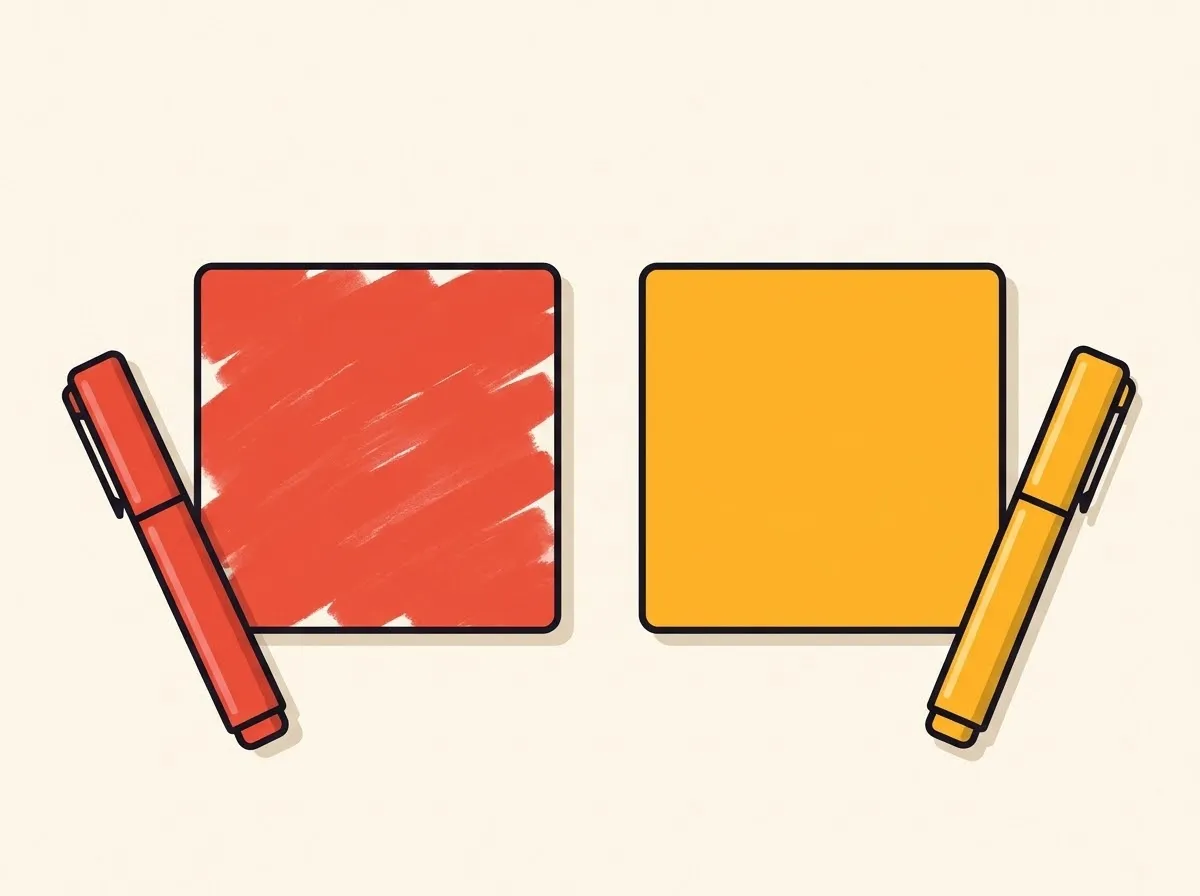
How to avoid streaks: Work in one direction with quick, overlapping strokes while the ink is still wet. Don't stop halfway across a shape. Always put a spare sheet underneath, and read our guide to printing coloring pages at home to pick paper that resists bleed-through.
04Crayons: made for little hands
Crayons are simple, forgiving and nearly impossible to ruin. Their chunky shape is easy for toddlers and preschoolers to hold, and they don't bleed or stain. For ages 2 to 6, they're often the best first tool.
Where they shine:
- Toddlers and young children learning to grip and control a tool
- Big, simple shapes
- Mess-free coloring in cars, restaurants and waiting rooms
Where they struggle:
- Thick tips make small details difficult
- Heavy pressure leaves a waxy build-up that resists more color
- Colors can look flat compared with pencils or markers
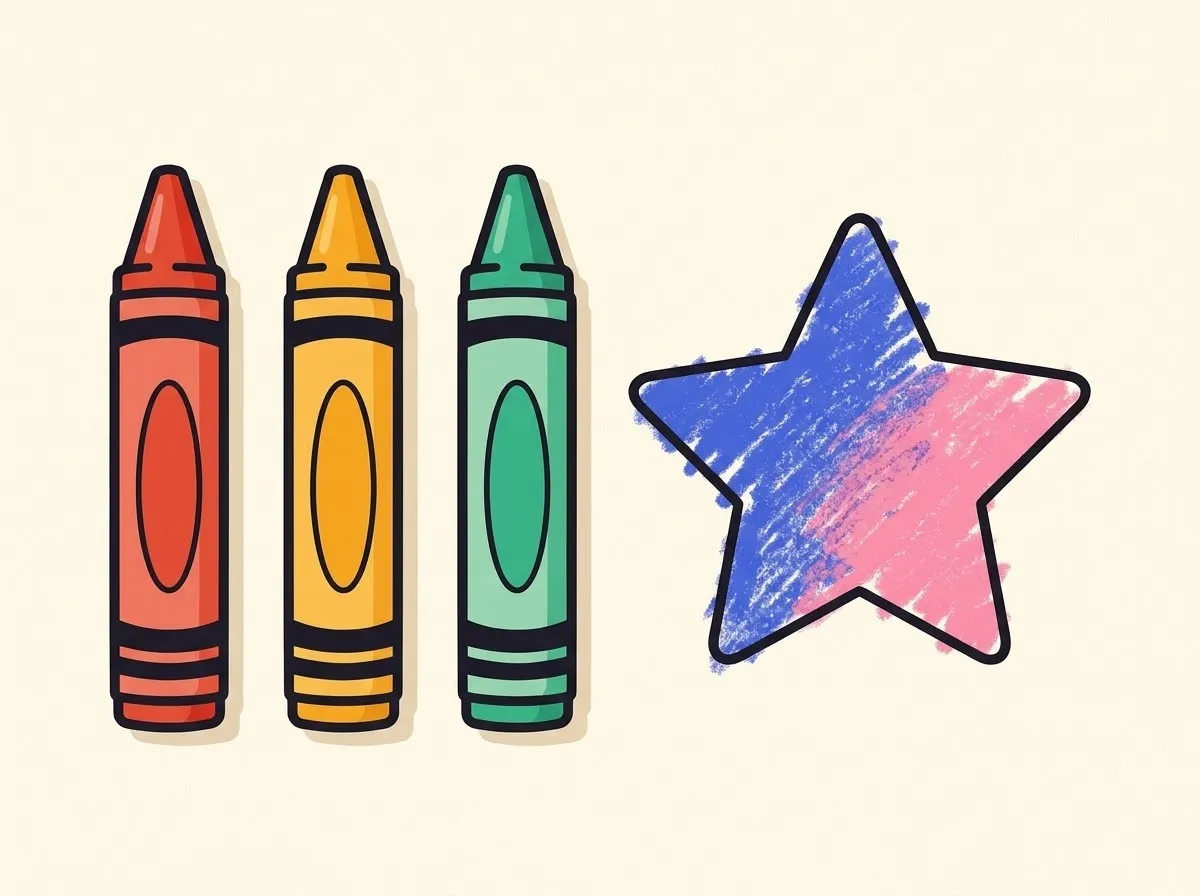
Tip: Look for jumbo or triangular crayons for the youngest children. They're easier to hold and encourage a proper grip.
05Gel pens: the finishing touch
Gel pens add sparkle, metallic shine and fine detail. They work best as an accent rather than your main tool. Use them for highlights, dots, patterns and borders after the main color is done.
Where they shine:
- Highlights on dark or already-colored areas
- Patterns, dots and decorative edges
- Adding a special effect to a finished page
Where they struggle:
- Filling large areas is slow and uses up the pen quickly
- Ink can smudge if you touch it before it dries
- Pens can skip on very smooth or waxy surfaces

Tip: Let the base color dry fully first, and rest your hand on a clean scrap sheet so you don't smudge finished areas.
06Which tool should you choose?
Match the tool to the person and the goal:
| If you want... | Choose | Why |
|---|---|---|
| A first tool for a toddler | Jumbo crayons | Easy to grip, no mess, no bleed |
| Quick, bright pages for kids 6+ | Washable markers | Fast color, easy to clean |
| A relaxing, controlled hobby | Colored pencils | Gentle, quiet and good for layering |
| Pages to display or gift | Markers plus gel pens | Vivid base with sparkly details |
| The lowest cost to start | A pencil set | Works on regular paper and lasts a long time |
| Coloring on thin paper | Pencils or crayons | No bleed-through |
07Combine tools for the best results
You don't have to pick just one. Many people get the best results by mixing tools on the same page:
- Fill large areas with markers or crayons for quick, solid color.
- Add shading and detail with colored pencils on top.
- Finish with gel pens for highlights, sparkles and patterns.
One safe rule: apply wet or heavy tools first and dry ones afterward. Markers go down before pencils, and gel pens go on last.
08A note on safety for kids
When buying for children, look for art materials labeled non-toxic and check the packaging for the age range. Washable markers are easier to clean from skin, clothes and tables. For very young children, supervise coloring and keep small caps and broken pieces out of reach.
09Common problems and quick fixes
| Problem | Likely cause | Fix |
|---|---|---|
| Streaky marker fill | Stopping or going back over drying ink | Work quickly in one direction, keep strokes overlapping |
| Marker soaks through | Thin paper | Use heavier paper and a protective sheet underneath |
| Pale pencil color | Light pressure or low-quality pencils | Layer in small circles, add a second coat |
| Waxy build-up | Heavy crayon or pencil pressure | Color lightly first and add darker layers gradually |
| Smudged gel pen | Touching wet ink | Wait for it to dry, use a scrap sheet under your hand |
| Dry marker | Cap left off | Always recap firmly and store flat |
010Frequently asked questions
What is best for adults who color to relax?
Most adults enjoy colored pencils because they're quiet, controllable and good for slow, relaxed layering. Add a few gel pens for detail.
Are markers or colored pencils better for kids?
Both work. Younger children usually do better with crayons or washable markers, while children around 6 and older can enjoy pencils for more detail.
Can I use alcohol markers on printed coloring pages?
Yes, but they bleed through easily. Use heavy paper, a backing sheet and test one page first. Laser-printed lines also resist smearing better than some inkjet inks.
How many colors do I need?
A set of 12 to 24 is plenty for most pages. More colors help with shading, but you can create many shades by layering.
011Ready to try them out?
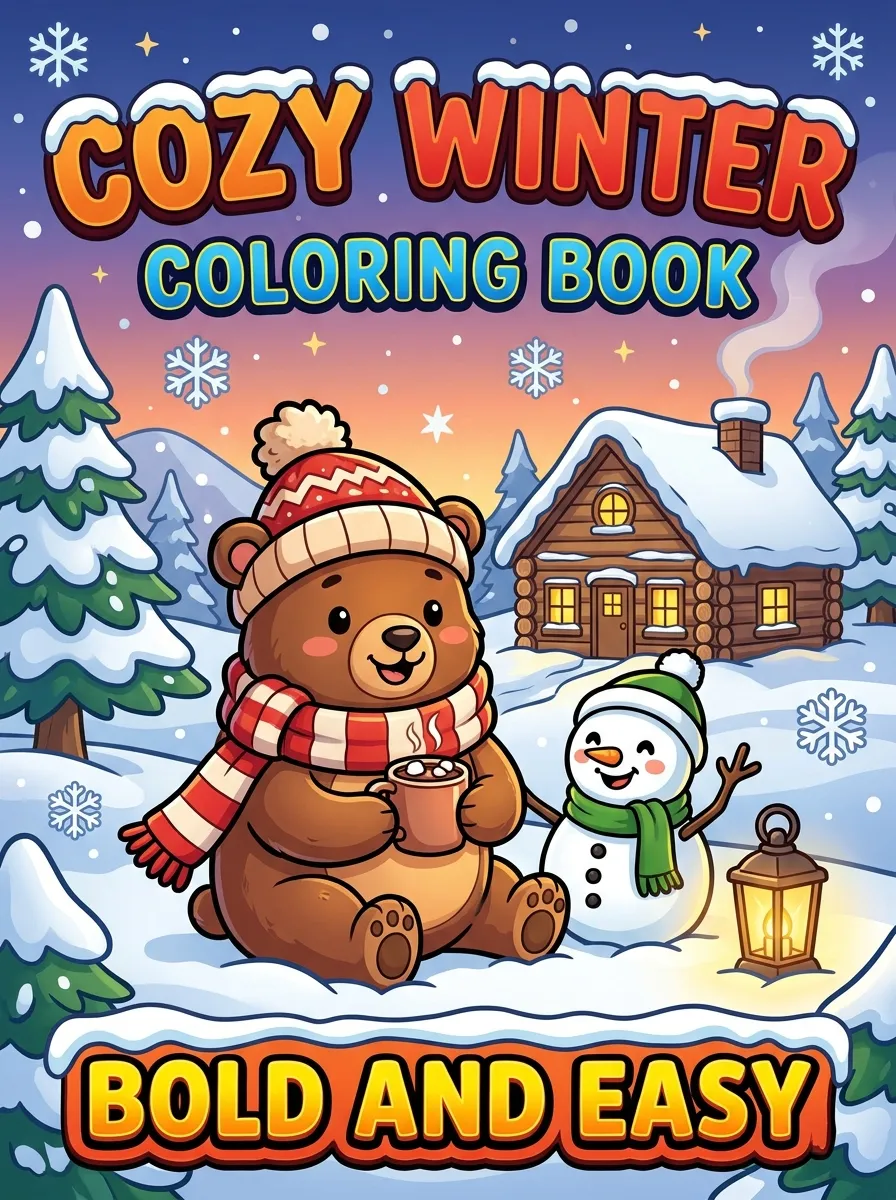
Test the tools on a few pages first with our free samples: get 5 free pages. When you're ready for a full book, the Cozy Winter Coloring Book has bold outlines and large shapes that work with every tool in this guide, and you can reprint any page as often as you like. You can also browse the full shelf for more kids and adult books.